Back to Shop
Mantra Pharma M-K8 L.A. 600 mg 100 Tablets
Mantra Pharma
UPC: 629323411371
Starting from $11.29
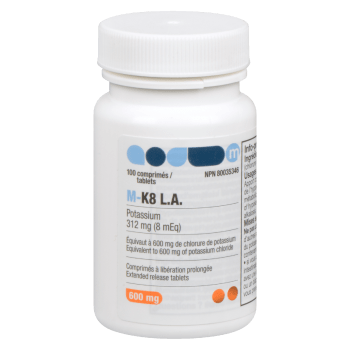
Scroll to zoom
Description:
Uses Oral potassium supplementation for the treatment or prevention of hypokalemia not attributable to a dietary deficiency or metabolic alkalosis. How to Use Directions Adults: For the prevention of hypokalemia: Take 1 tablet, 3 to 4 times a day. For the treatment of hypokalemia: Take 2 tablets, 3 to 4 times a day. Consume immediately after meals or with food to reduce potential stomach discomfort or laxative effect. Take with a glass of water. Warnings WARNINGS DO NOT USE - during pregnancy or breastfeeding. - with other supplements containing potassium or potassium containing salt substitutes. - if you have a gastrointestinal ulceration or obstruction, if you have adrenal insufficiency or uncontrolled diabetes or if you are taking prescription drugs especially those that increase potassium levels such as potassium-sparing diuretics (distal diuretics) or angiotensin converting enzyme (ACE) inhibitors. ASK A HEALTH CARE PRACTITIONER BEFORE USE IF - you have kidney or heart problems. In the presence of impaired renal function, the use of potassium supplements should be closely monitored. Doctors and pharmacists can get professional documentation upon request. WHEN USING THIS PRODUCT - do not chew, suck or crush the tablets. - potassium supplementation with potassium-sparing diuretics (spironolactone, triamterene, amiloride) can lead to hyperkalemia. - there is a probable link between the use of coated tablets containing potassium salts, with or without thiazide diuretics, and the incidence of severe ulceration of the small intestine. - take only on the advice of a doctor. - these preparations should only be used if it is not possible to supplement the diet properly. STOP USE AND ASK A HEALTH CARE PRACTITIONER IF - you experience numbness in the extremities, muscle weakness, paralysis, cardiac arrhythmias, low blood pressure, or confusion. - you experience abdominal pain, abdominal distension, nausea, vomiting or gastrointestinal bleeding.
Available alternatives
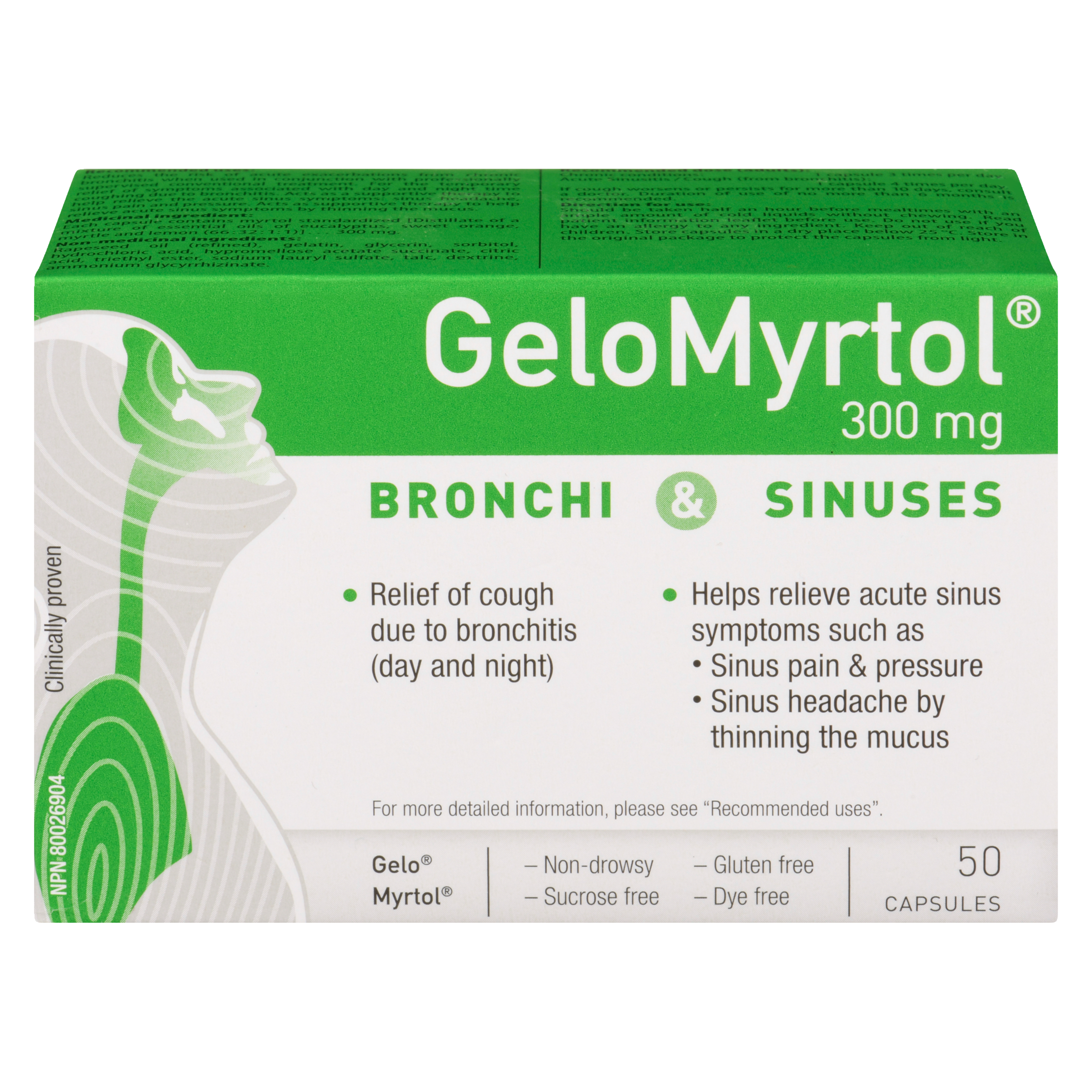
GeloMyrtol Bronchi & Sinuses 300 mg 50 Capsules
From $37.09
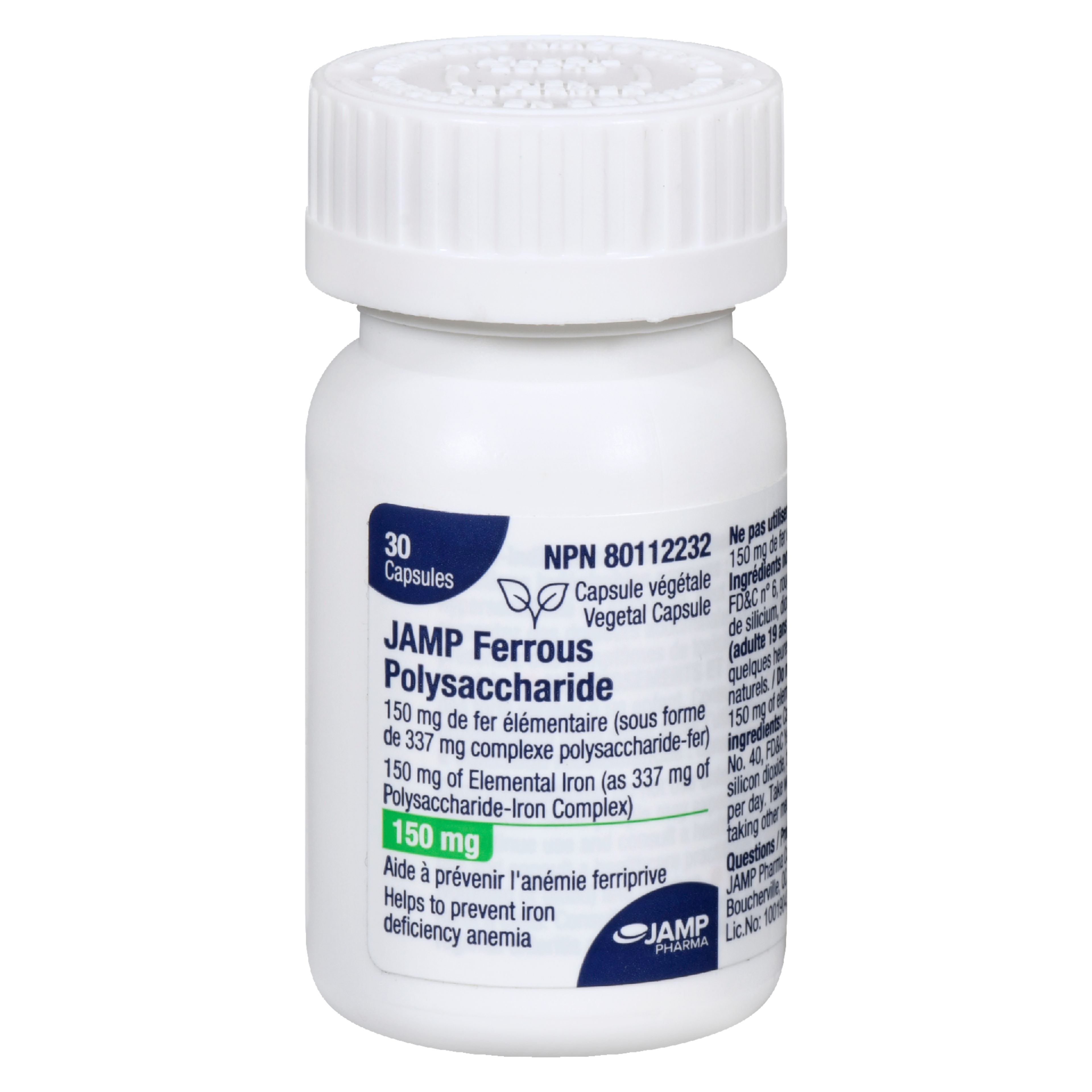
JAMP Pharma JAMP Ferrous Polysaccharide 150 mg 30 Capsules
From $16.39
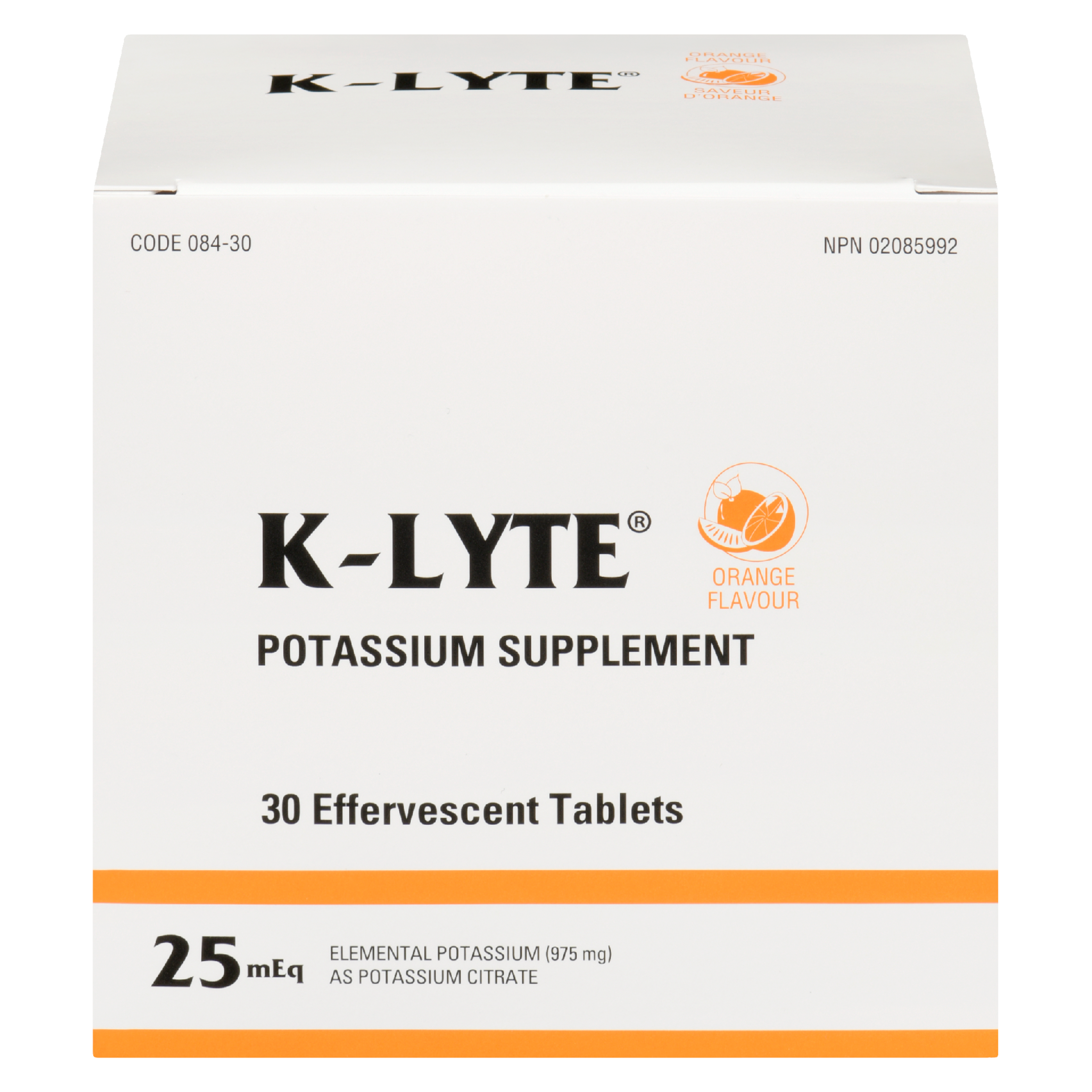
K-Lyte Potassium Supplement Orange Flavour 25 mEq 30 Effervescent Tablets
From $45.79
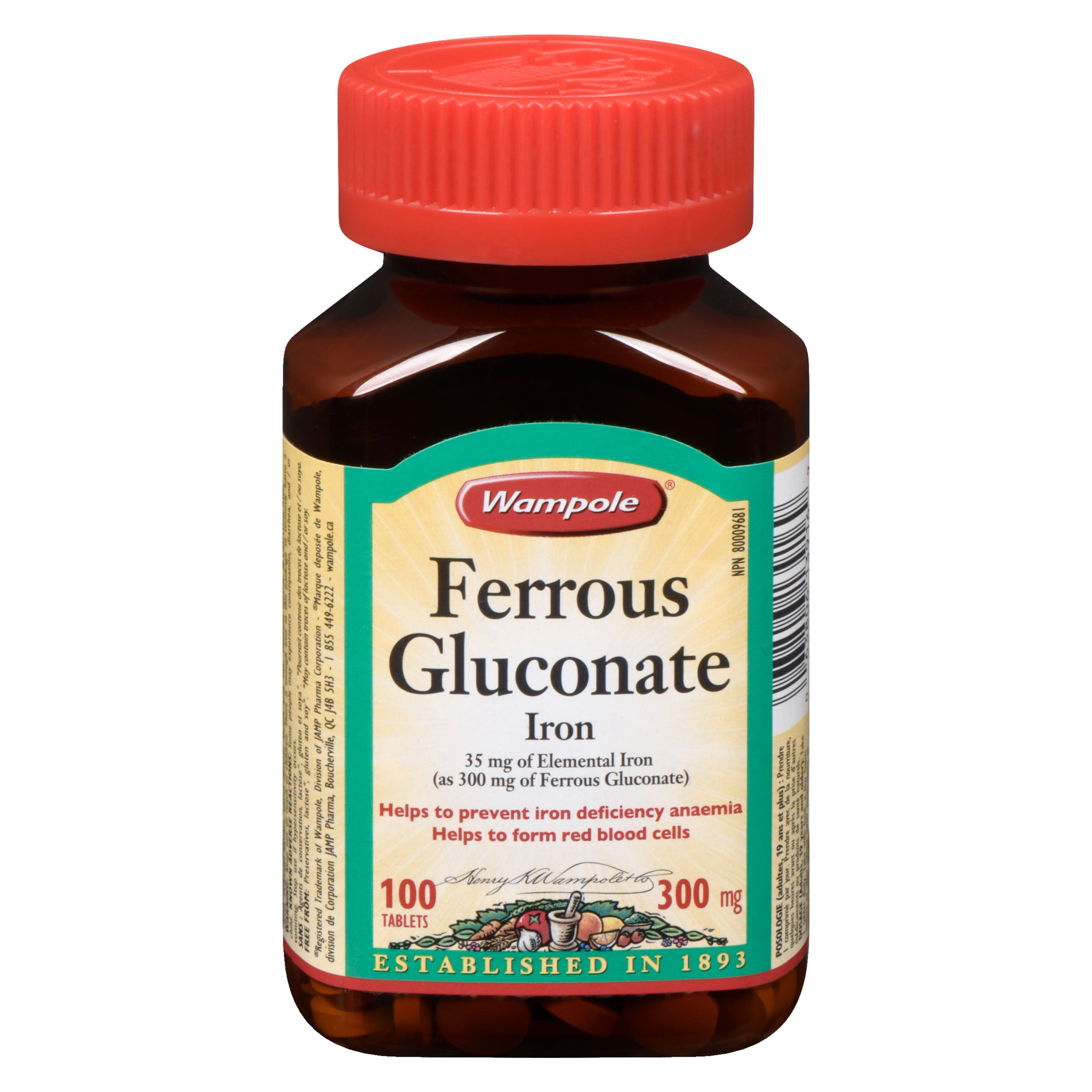
Wampole Ferrous Gluconate Iron 300 mg 100 Tablets
From $16.39
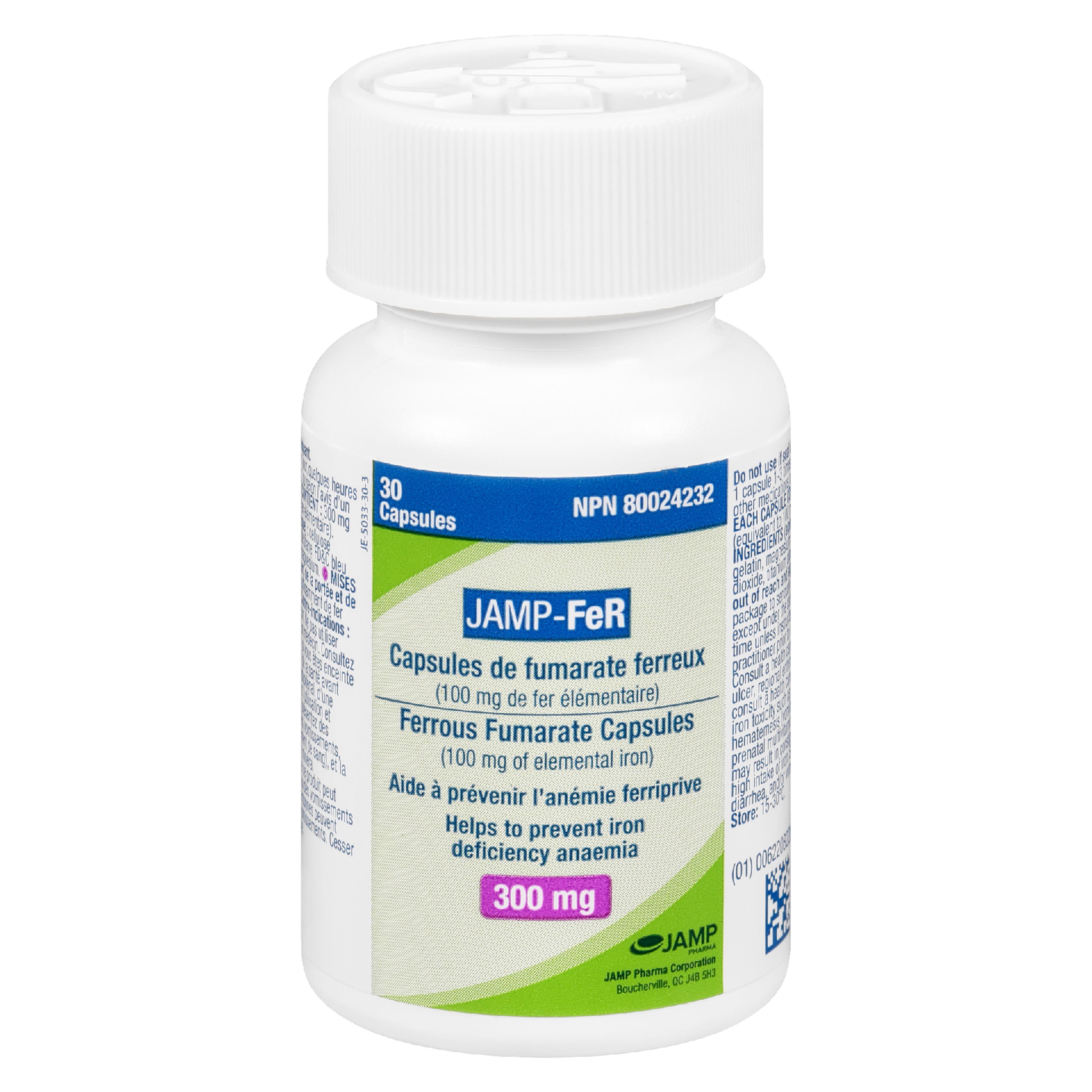
JAMP Pharma JAMP-Fer Ferrous Fumarate Capsules 300 mg 30 Capsules
From $5.99
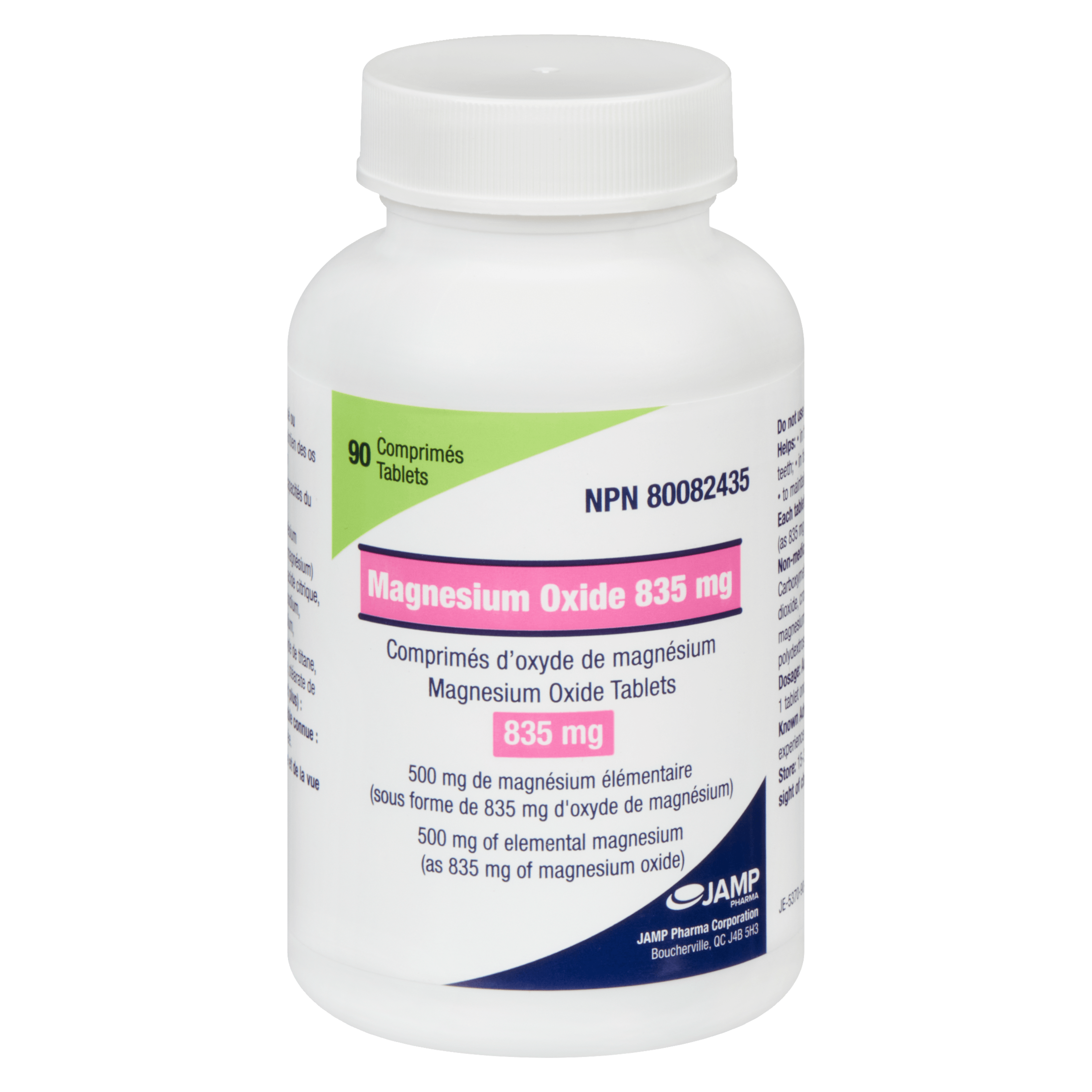
JAMP Pharma Magnesium Oxide 835 mg Magnesium Oxide Tablets 90 Tablets
From $26.79
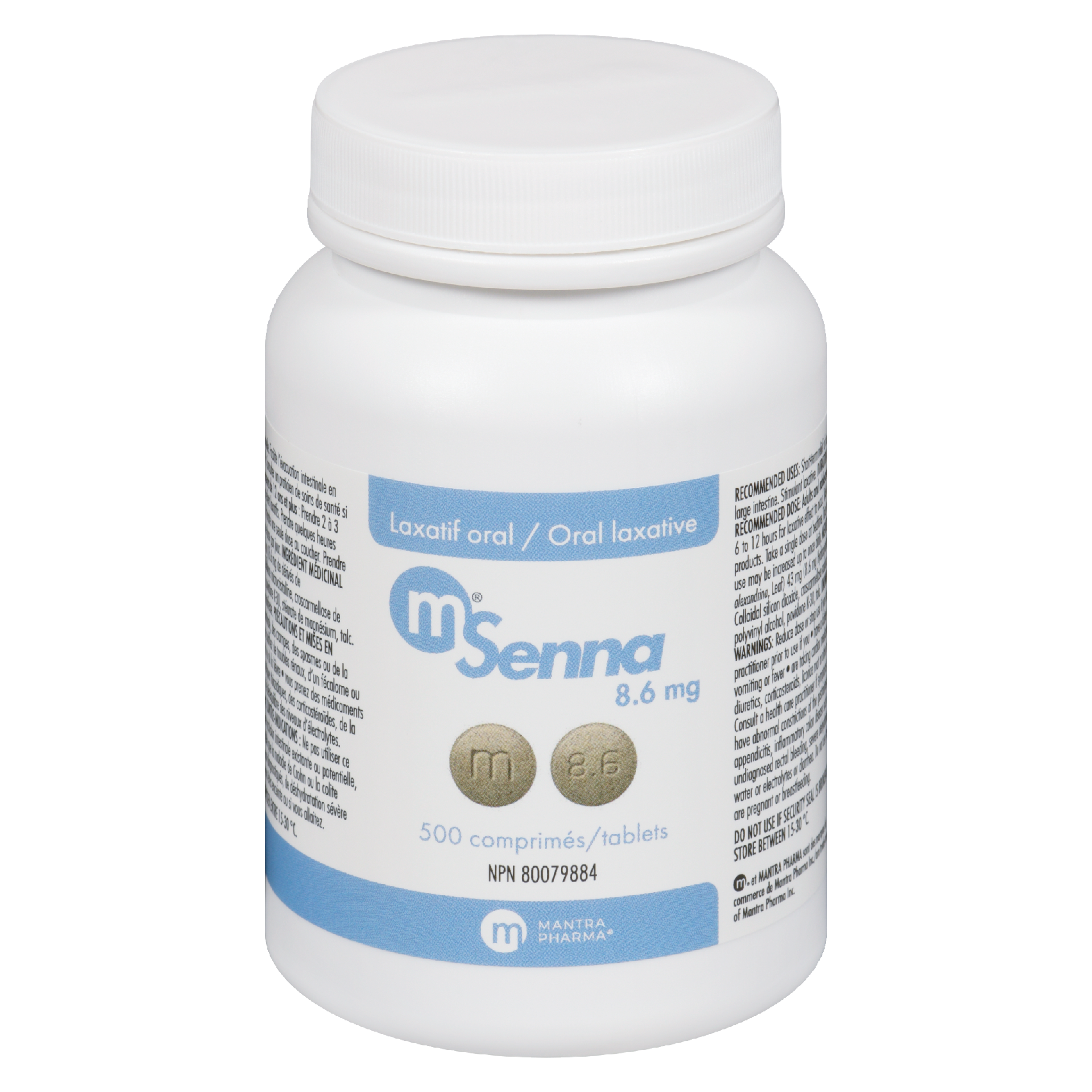
Mantra Pharma Oral Laxative Senna 8.6 mg 500 Tablets
From $35.89
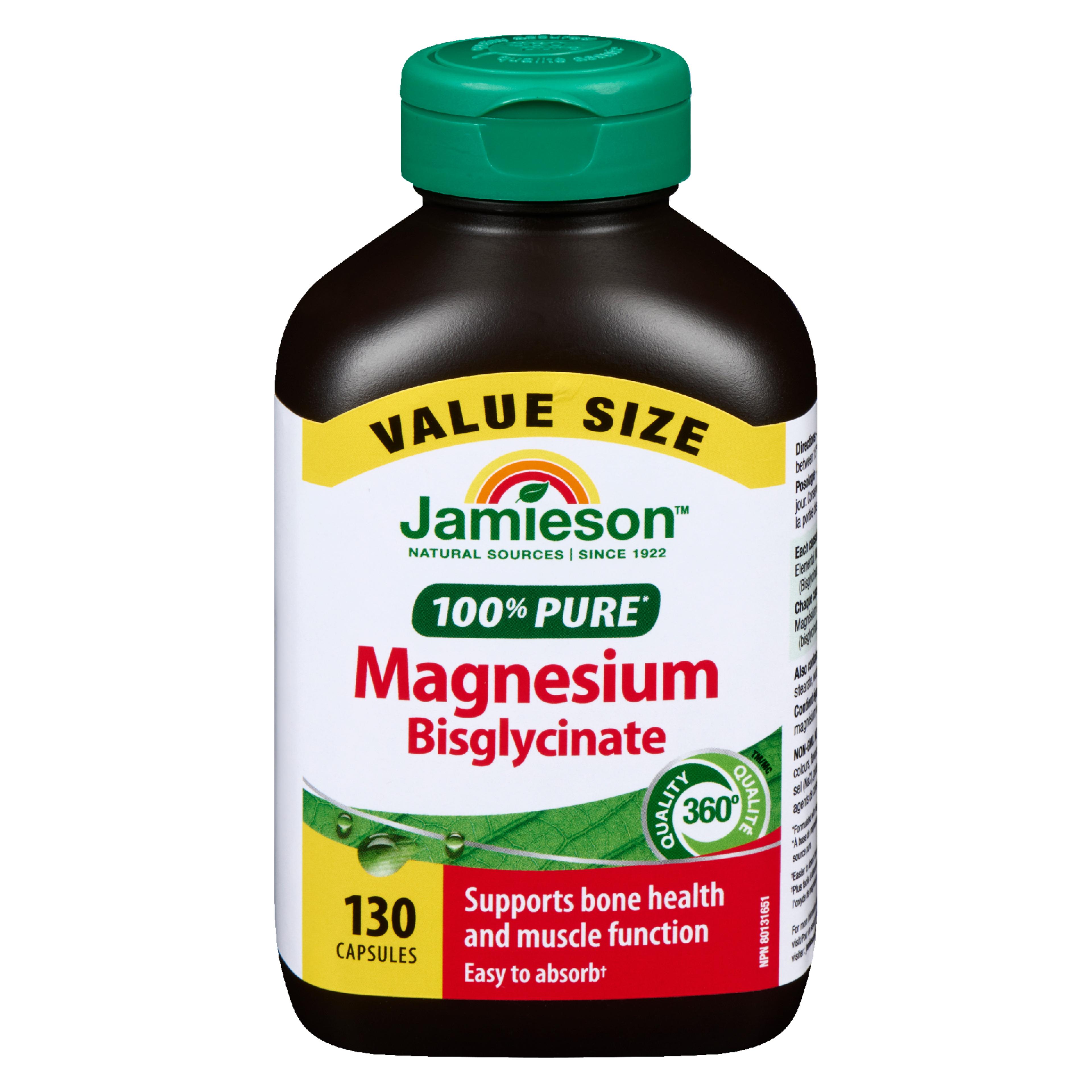
Jamieson Magnesium Bisglycinate Value Size 130 Capsules
From $22.49
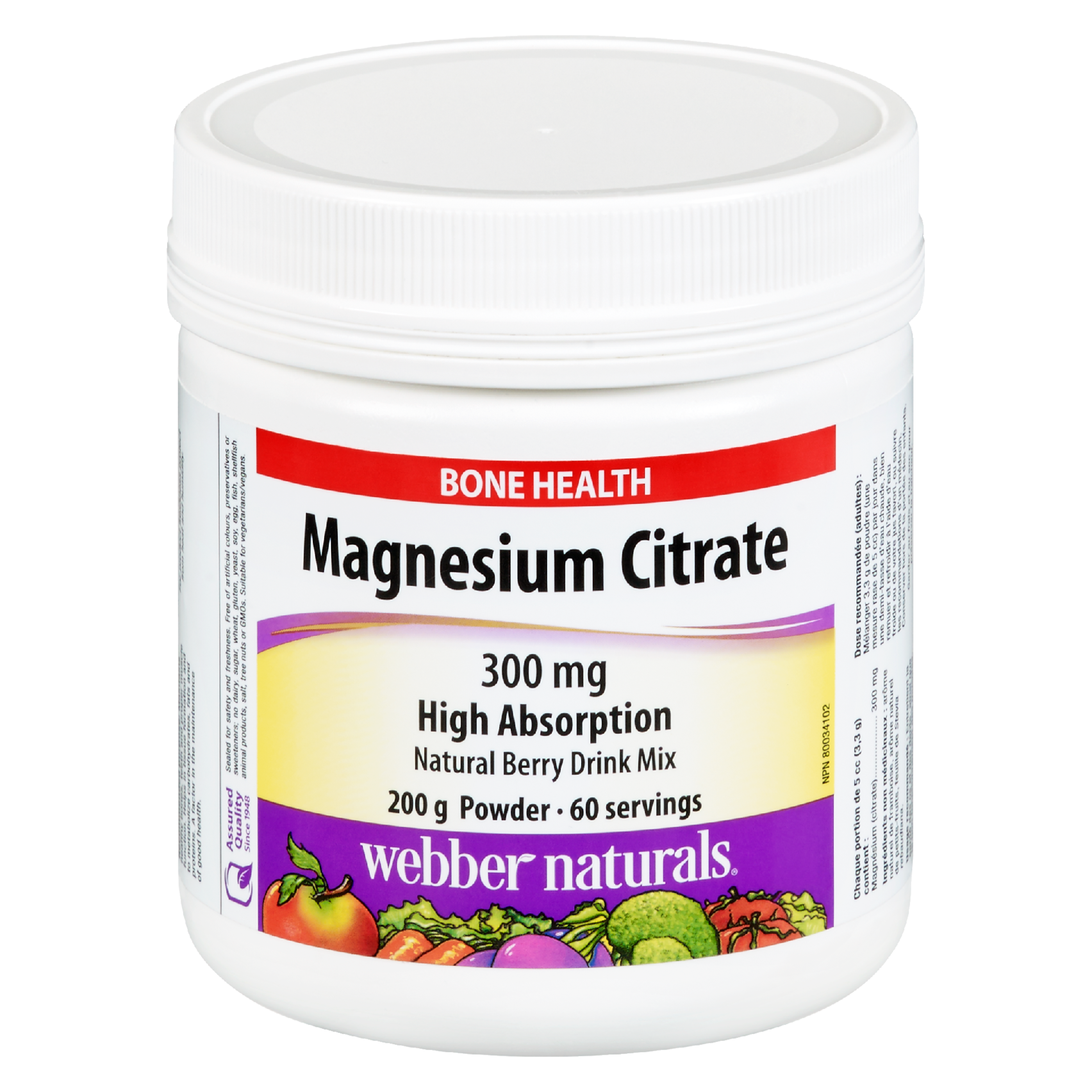
Webber Naturals Bone Health Magnesium Citrate 300 mg 200 g Powder
From $20.39
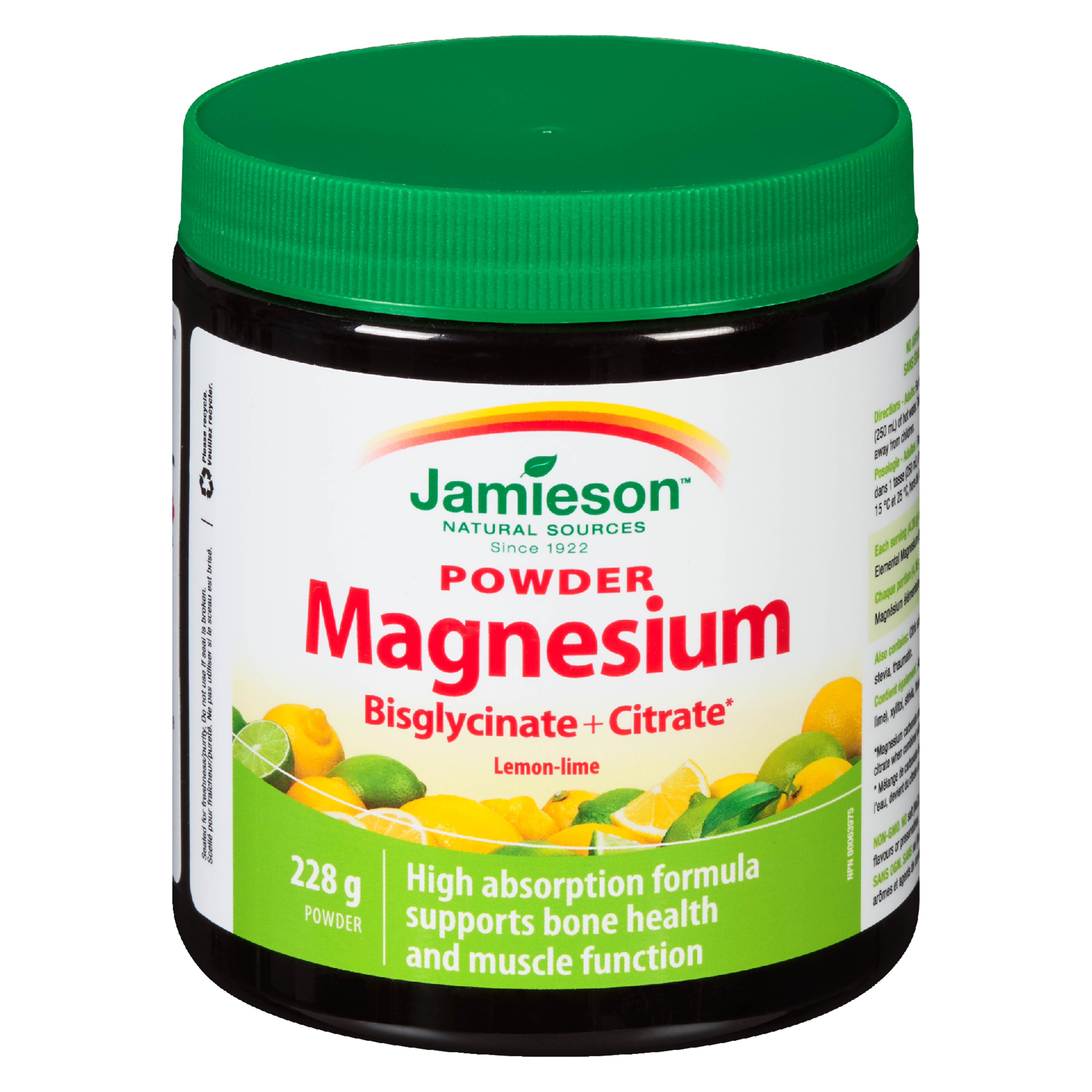
Jamieson Powder Magnesium Lemon-Lime 228 g
From $24.79
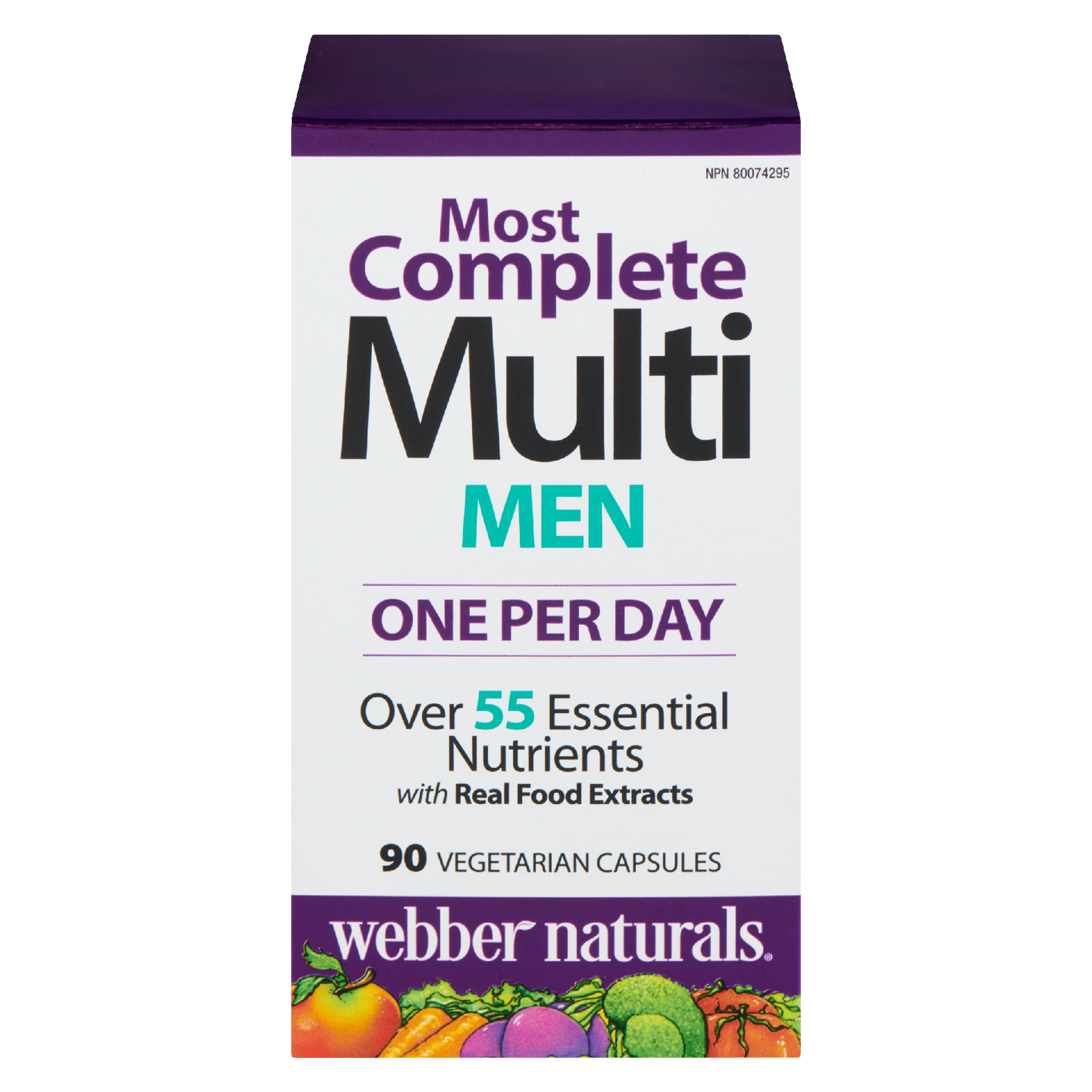
Webber Naturals Most Complete Multi Men 90 Vegetarian Capsules
From $18.89
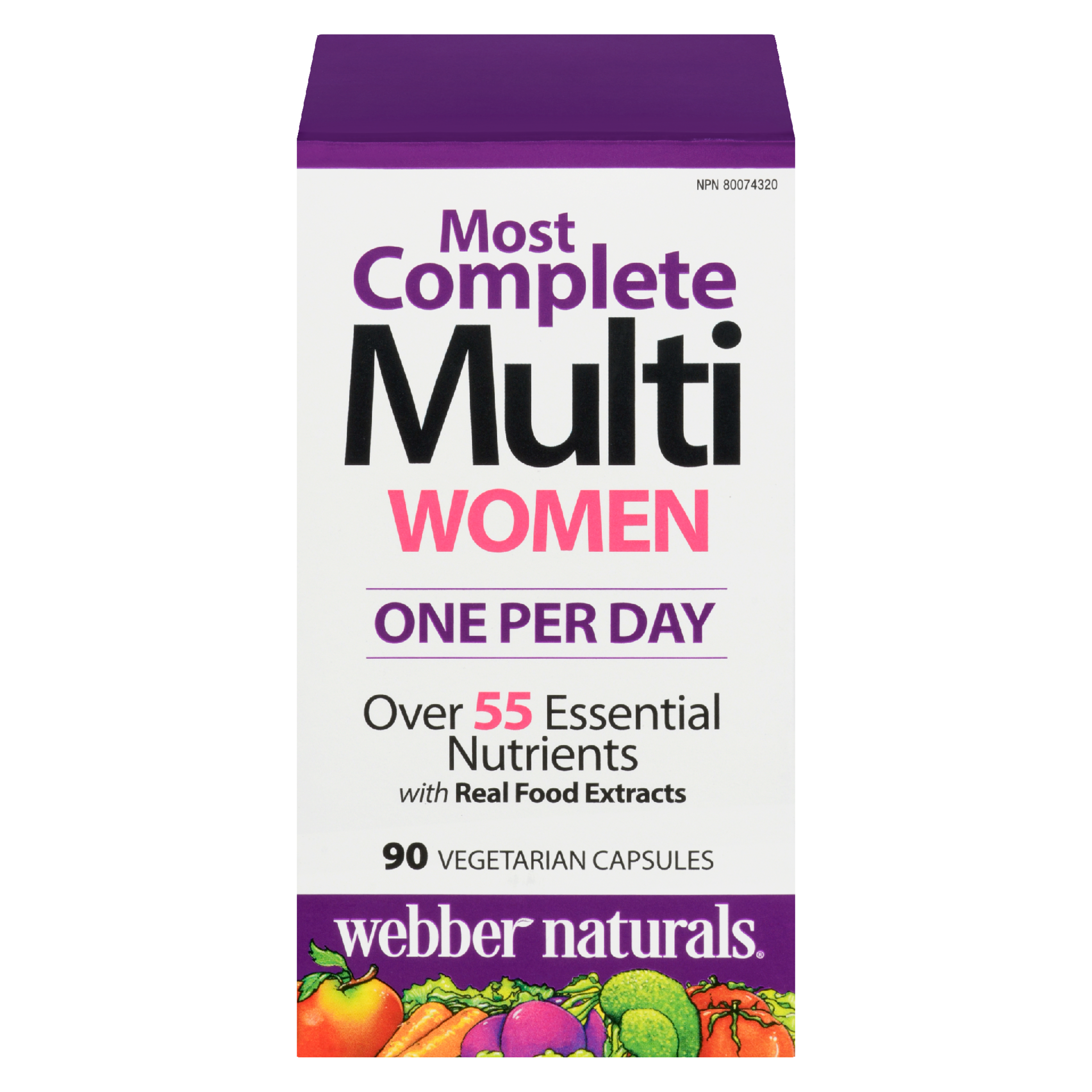
Webber Naturals Most Complete Multi Women 90 Vegetarian Capsules
From $18.89