Back to Shop
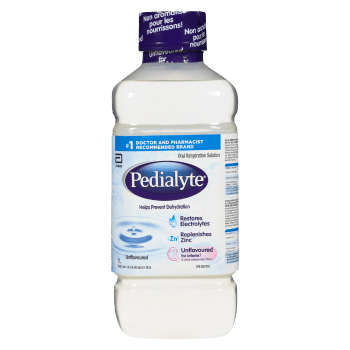
Pedialyte Oral Rehydration Solution Unflavoured 1 L
Pedialyte
UPC: 55325806264
Starting from $11.39
Scroll to zoom
Description:
Helps Prevent Dehydration Restores fluids and electrolytes lost during diarrhea and vomiting to help prevent dehydration. For mild to moderate dehydration. RECOMMENDED USE: Oral rehydration solution to prevent dehydration and restore fluids and electrolytes lost in case of diarrhea and/or vomiting. How to Use Ready to use - Do not add water or dilute USE BY EXPIRATION DATE. TASTES BEST SERVED COLD. DO NOT USE IF TAMPER BAND AROUND CAP OR FOIL SEAL IS MISSING OR BROKEN. DIRECTIONS: To open: Remove tamper band. Twist off cap. Remove foil seal. Do not add water or dilute. DURATION OF USE: Continue as long as diarrhea or vomiting is present. For occasional use only. Use Pedialyte® rather than juices, soft drinks, sports drinks or water to prevent dehydration caused by diarrhea or vomiting. Unflavoured for infants† RECOMMENDED DOSE Infants < 1 year of age: - †Consult a physician before using Pedialyte®. Children 1 year of age‡: - 50 - 100 mL per episode of diarrhea and/or vomiting, up to a maximum of 1 L over a period of 24 hours. Children 2 to 9 years of age‡: - 100 - 200 mL per episode of diarrhea and/or vomiting, up to a maximum of 1 L over a period of 8 to 24 hours. Adults, adolescents and children ≥ 10 years of age‡: - 200 - 400 mL per episode of diarrhea and/or vomiting, or as much as wanted. ‡ Attempt to give/take solution as soon as diarrhea begins. Take/give the solution frequently and in small amounts (e.g. 5 mL), gradually increased, as tolerated. If more solution is requested/desired, give/take more, as tolerated. For dehydration due to other causes, consult a health care professional. Additives Unflavoured No artificial sweetners, dyes or flavours Warnings RISK INFORMATION CONSULT A HEALTH CARE PROFESSIONAL IF: - Fluid and electrolyte intake must be limited, - Vomiting, fever, or diarrhea worsens or continues beyond 24 hours; - Signs of severe dehydration occur, such as changes in mental status (e.g. irritability, lack of interest, inactivity), reduced urine output, dry mouth, increased heart and/or breathing rate, decreased tears and/or sunken eyes; - Signs of electrolyte imbalance occur (such as disproportionate thirst, muscle weakness, or swelling of the hands, face and/or feet); - Feces contain blood or mucus or if diarrhea is accompanied by a high fever, yellowing of the eyes or skin, persistent vomiting, or if vomit is green, or contains blood or is accompanied by severe abdominal pain or a high fever, or if a bowel obstruction is suspected; - Presence of a gastrointestinal obstruction, or cardiovascular or kidney disease.
Available alternatives

Penaten Cream to Help Treat and Prevent Diaper Rash Medicated Original 55 g
From $7.49
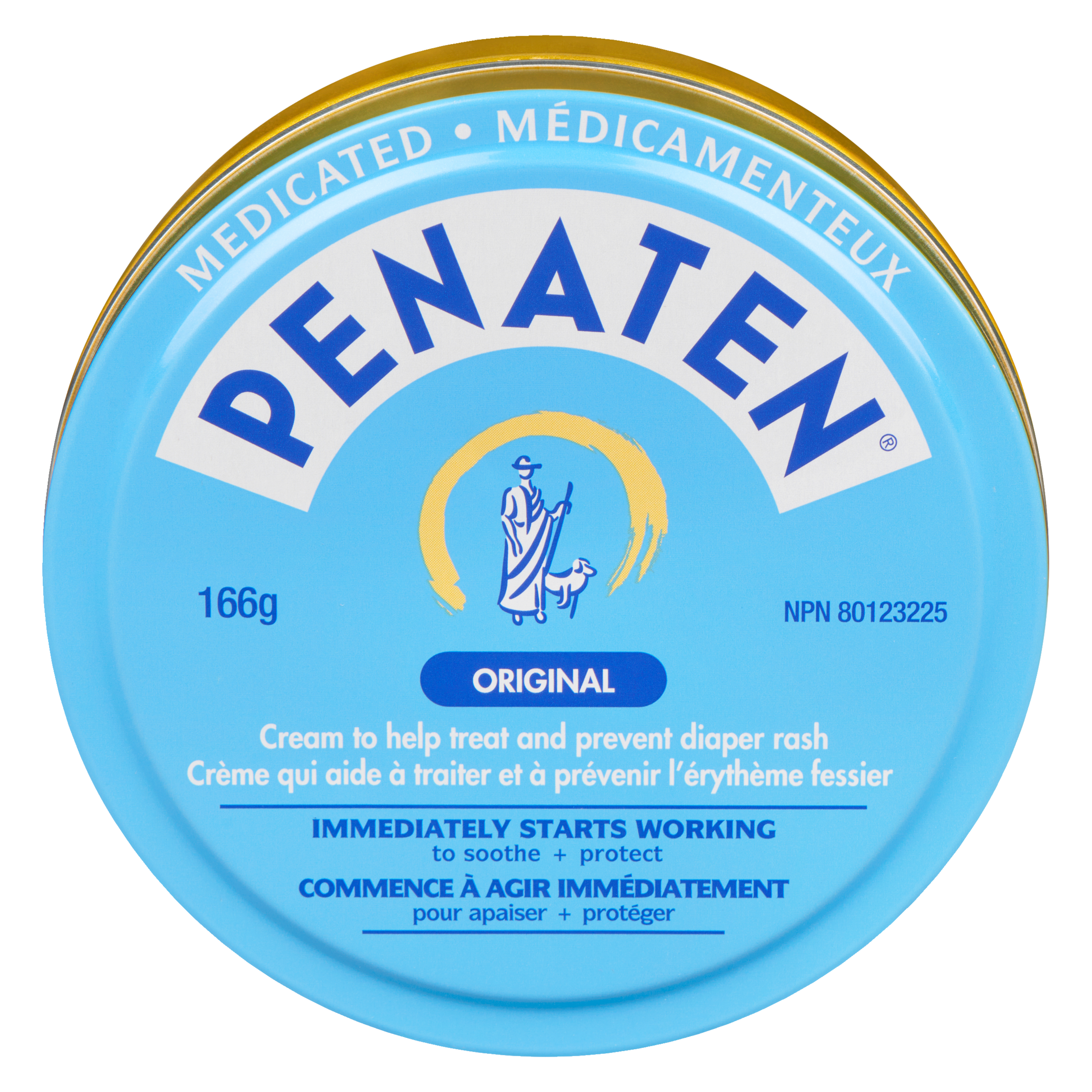
Penaten Cream to Help Treat and Prevent Diaper Rash Medicated Original 166 g
From $14.09
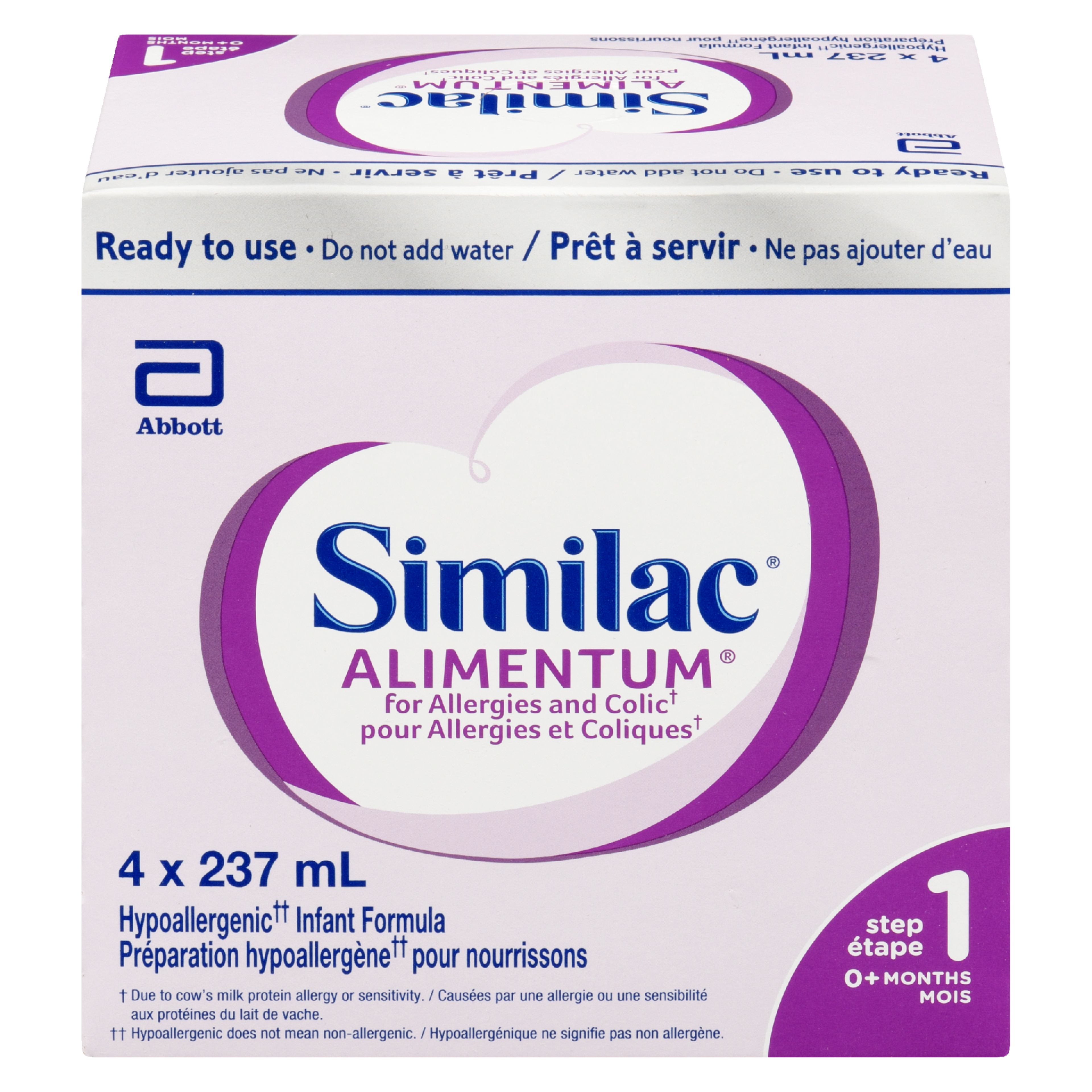
Similac Alimentum Hypoallergenic Infant Formula Step 1 0+ Months 4 x 237 ml
From $6.69
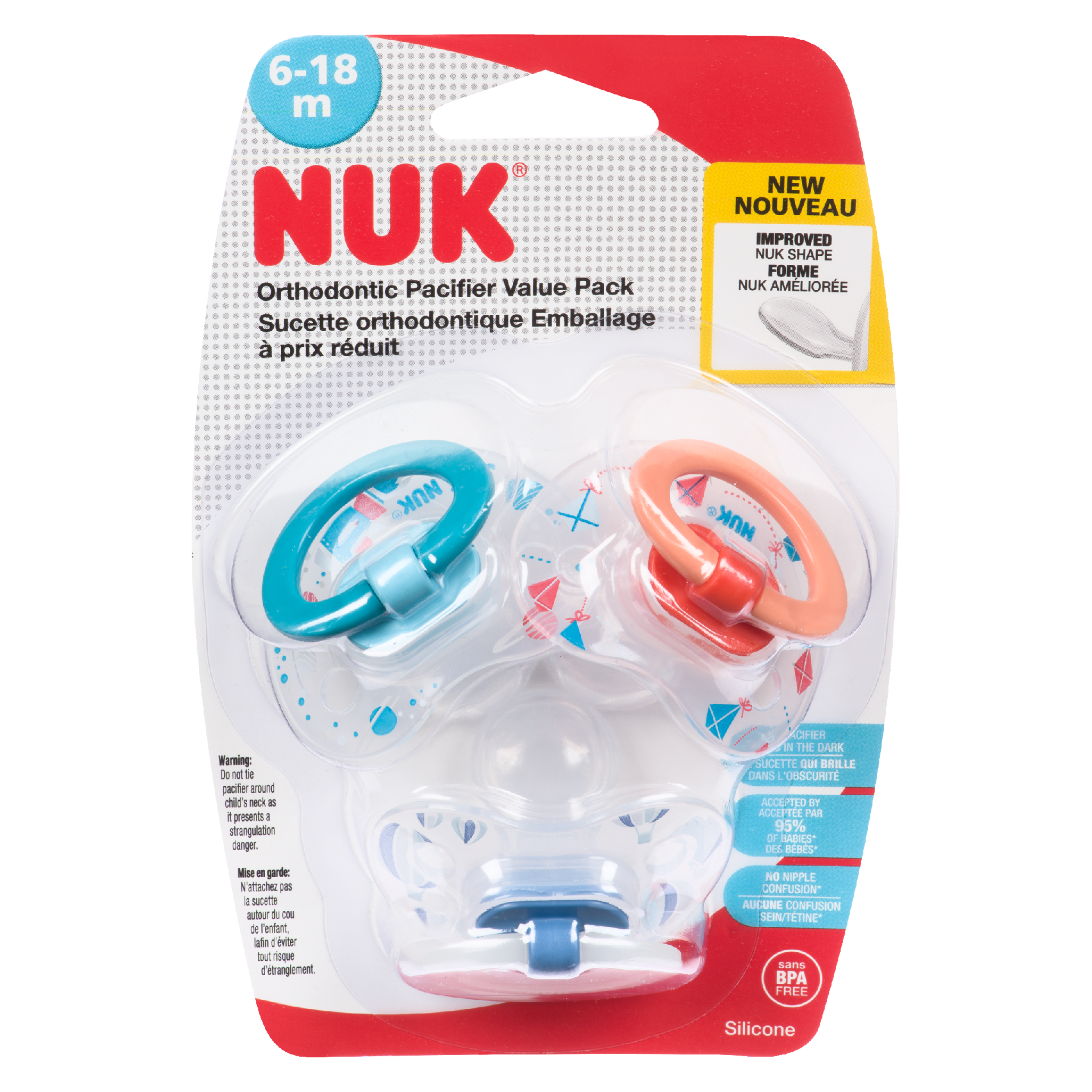
NUK Orthodontic Pacifier Value Pack Silicone 6-18 m
From $9.49
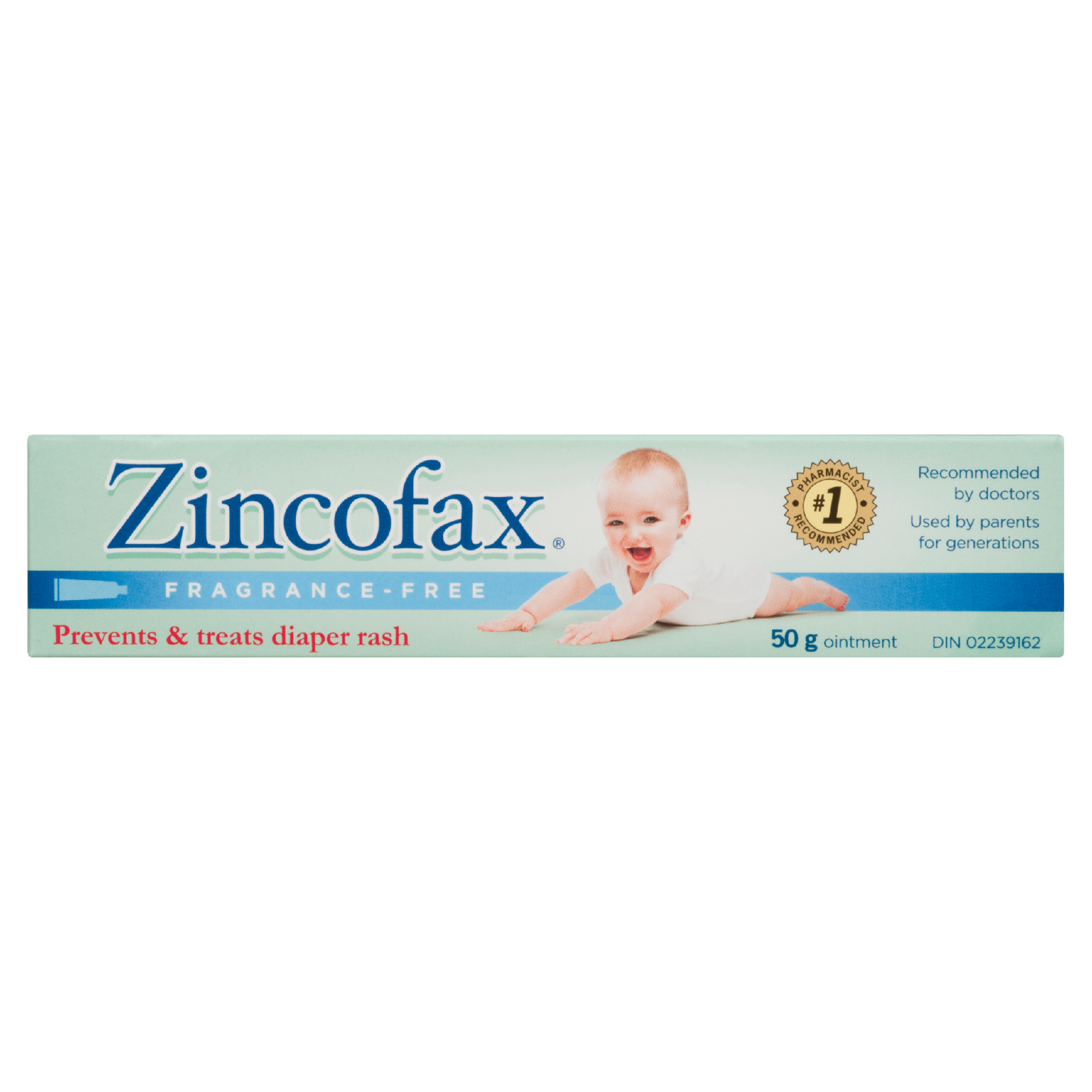
Zincofax Fragrance-Free Ointment 50 g
From $5.99
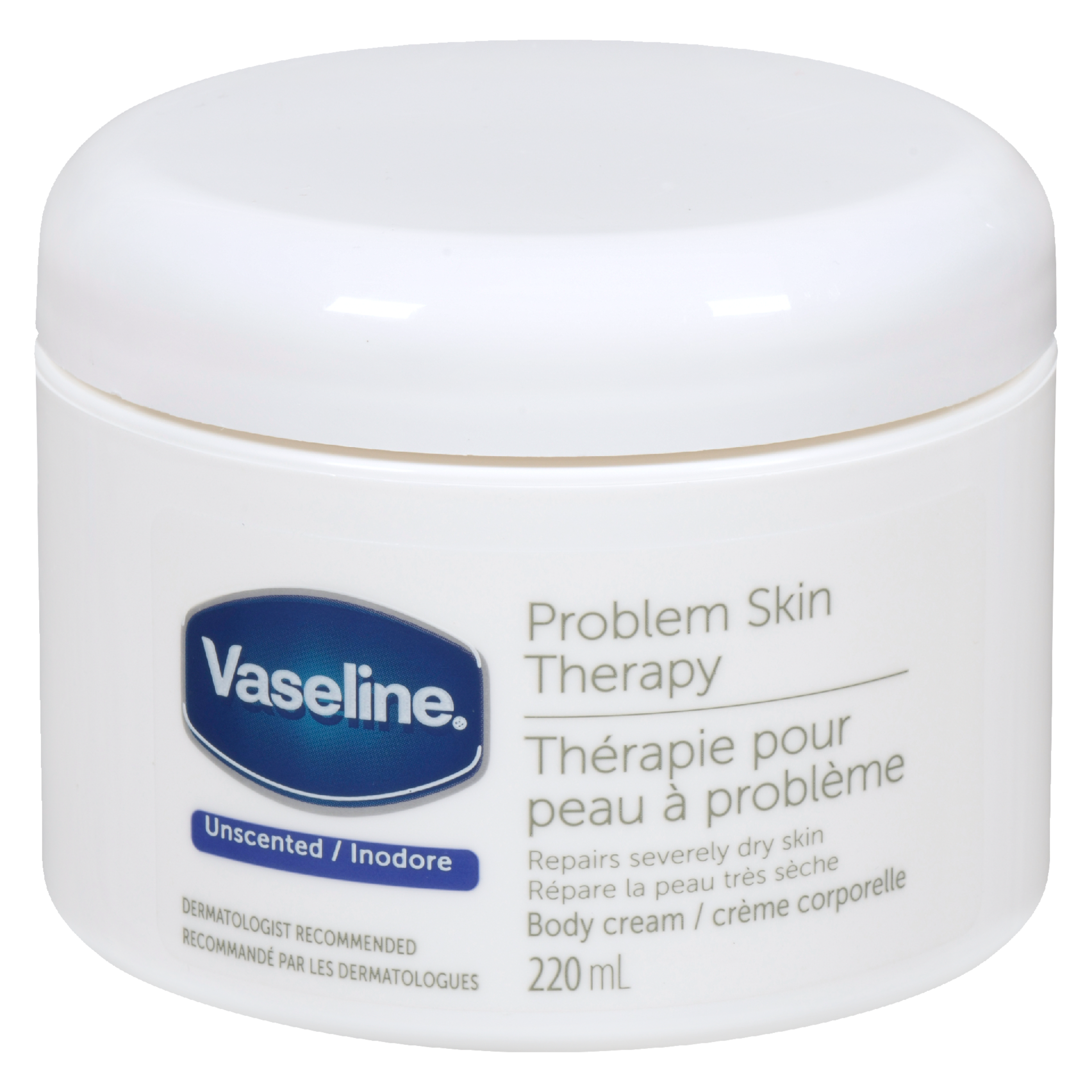
Vaseline Body Cream Problem Skin Therapy Unscented 220 ml
From $10.89
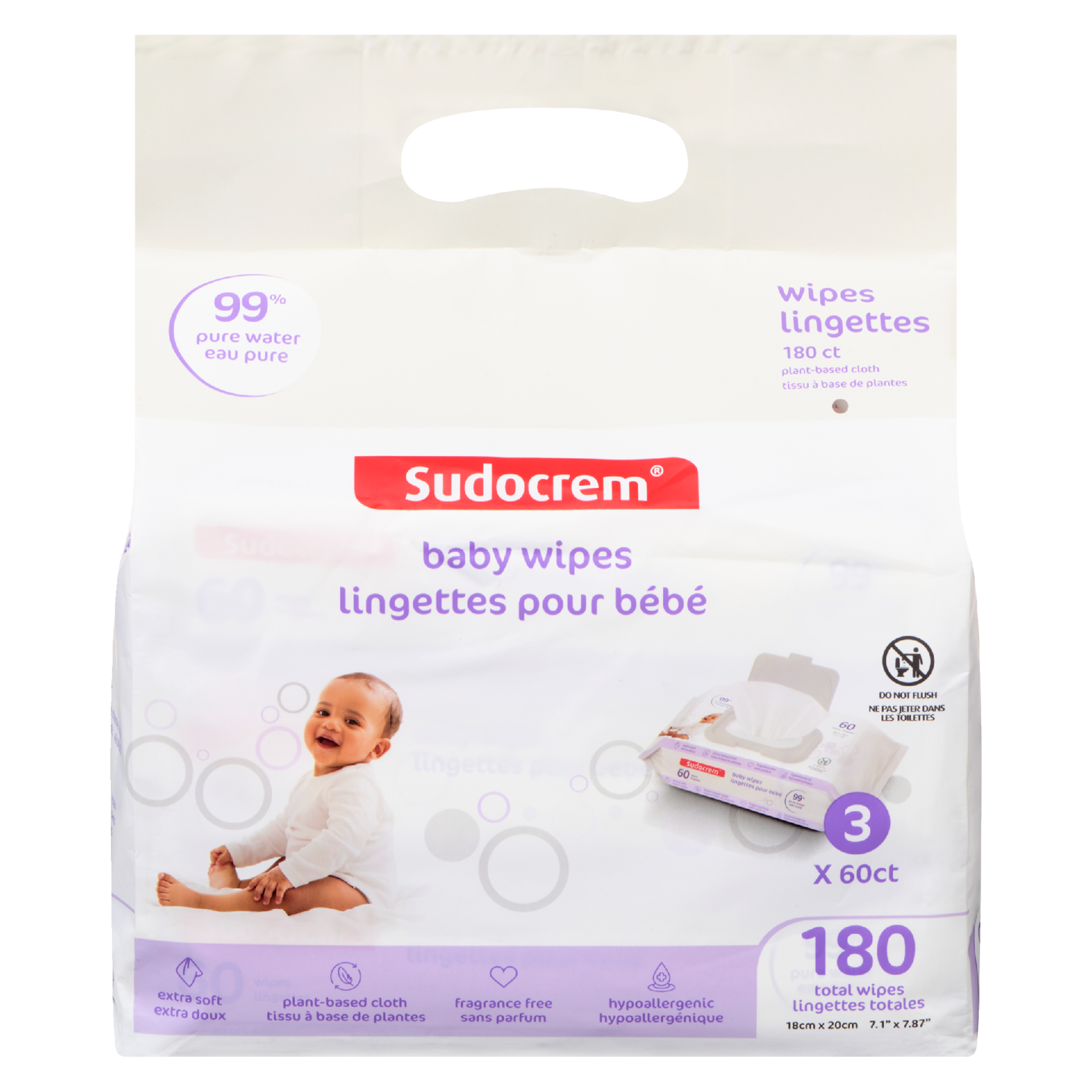
Sudocrem Pure Water Wipes Baby Wipes 3 x 60 ct (180 ct)
From $12.59

Zarbee’s Baby + Children's Soothing Chest Rub Balm Lighty Scented 2+ Months 42 g
From $10.69

Zarbee's Baby Immunity Syrup Grape Flavour 6+ Months 59 ml
From $12.99
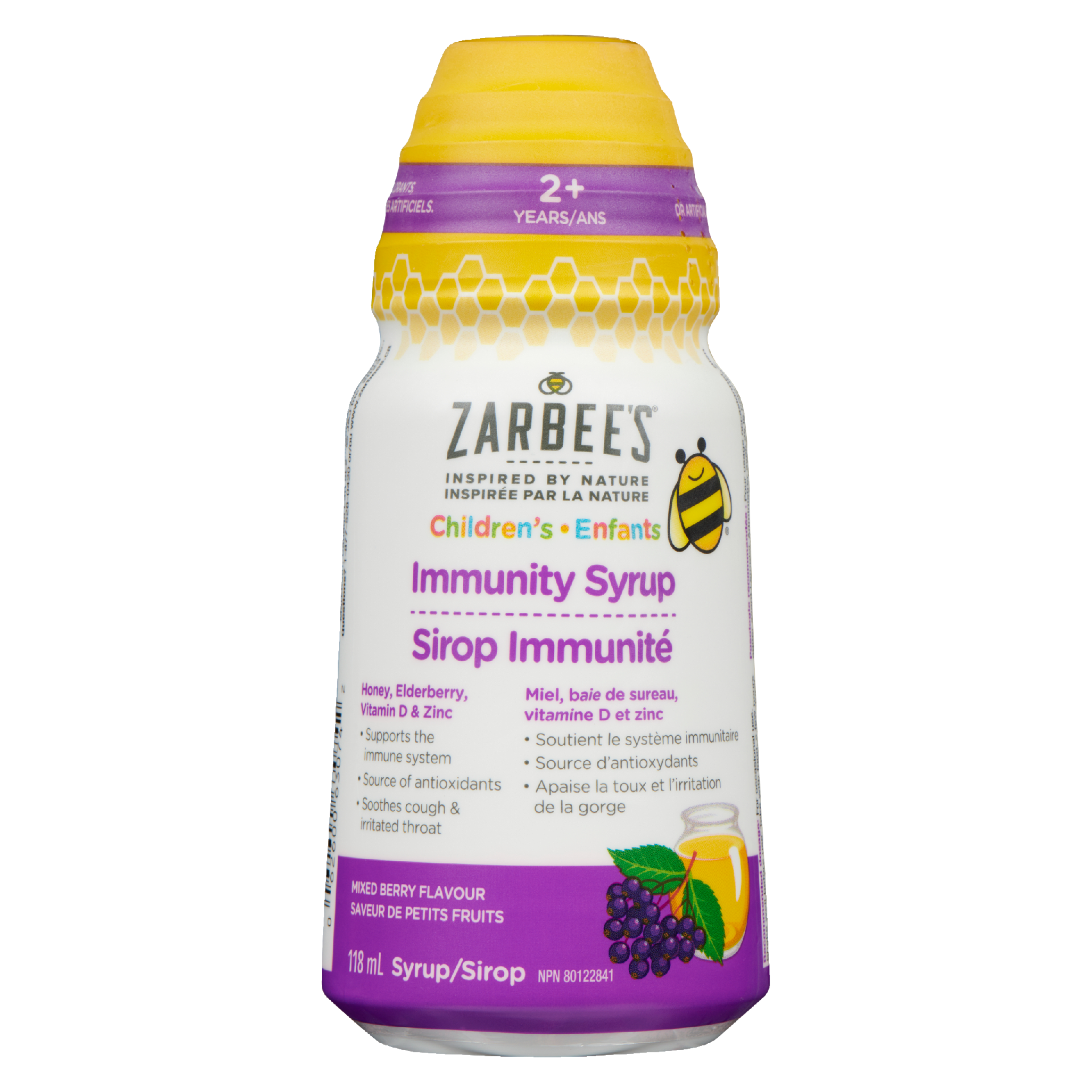
Zarbee's Children's Immunity Syrup Mixed Berry Flavour 2 + Years 118 ml
From $12.99
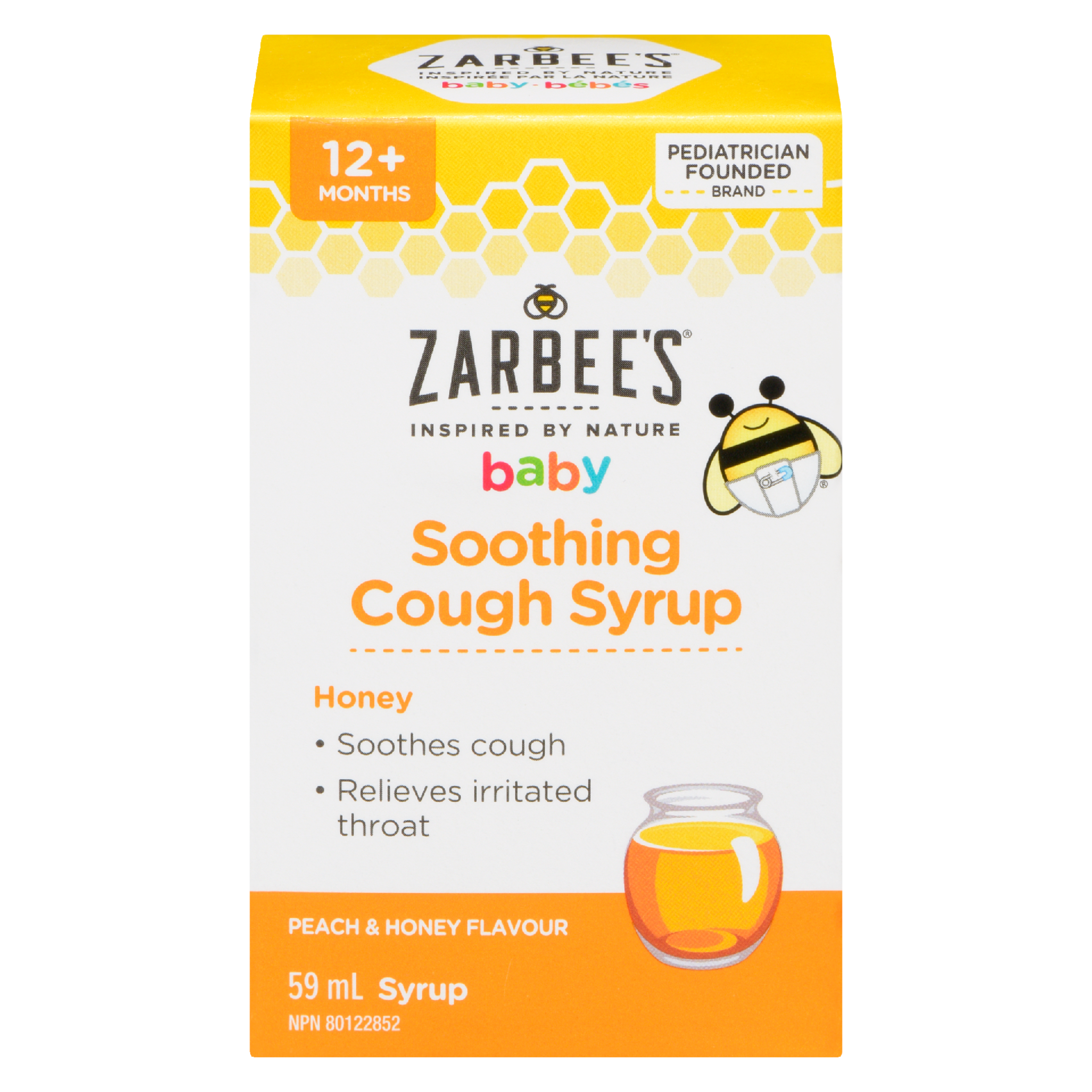
Zarbee's Baby Soothing Cough Syrup Peach & Honey Flavour 12+ Months 59 ml
From $12.99
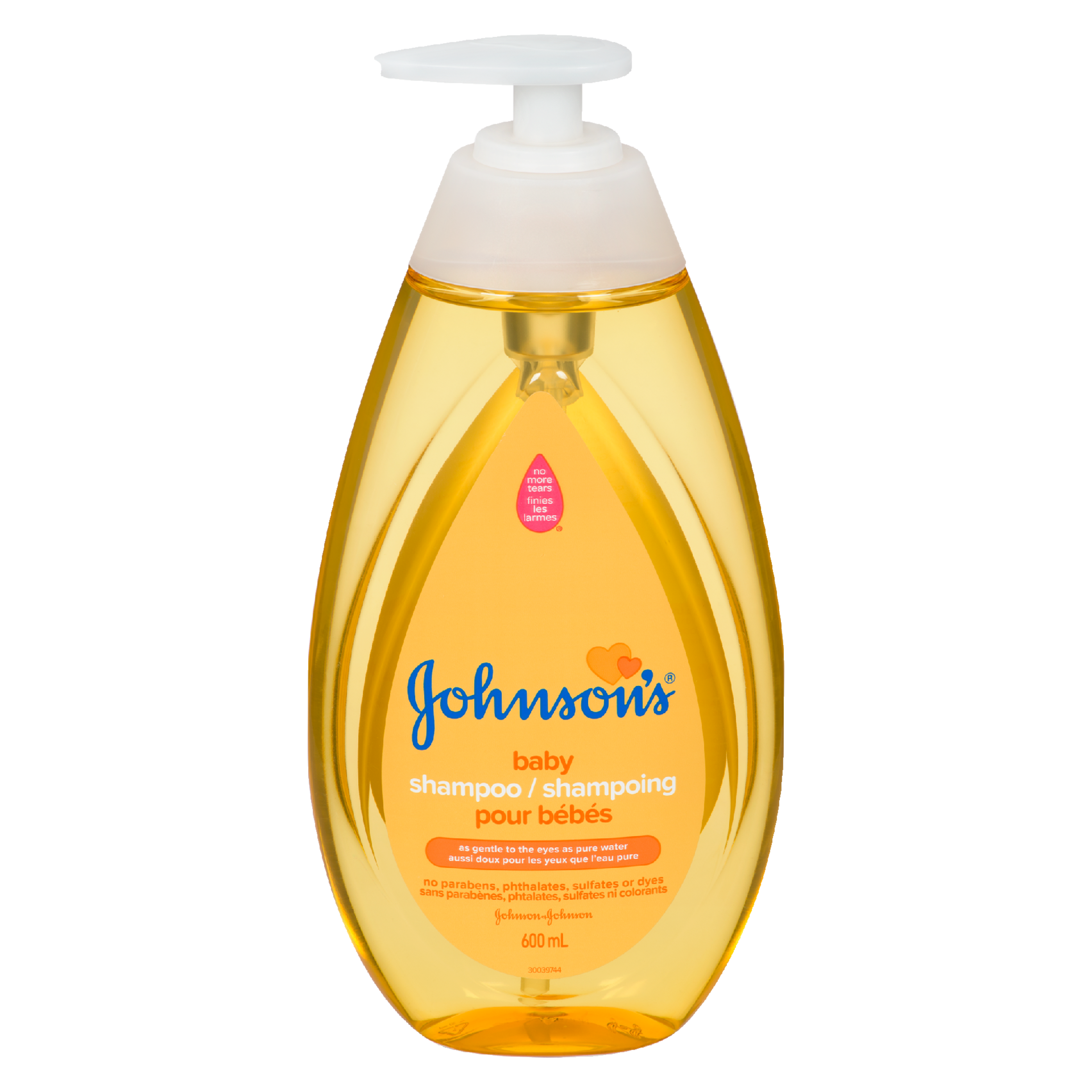
Johnson's Shampoo Baby 600 ml
From $8.99